Reverse home loan Browse around this site primary limit factors are based upon actuarial tables. Usually a 62-year-old will get around 50% of the houses assessed value, where an 80-year-old will receive closer to 70%. Reverse home loans are not naturally good nor bad. The choice to take a reverse mortgage ought to constantly be taken a look at as a private method weighing long-lasting suitability.
Reverse home mortgages do not come without expense. It is a loan versus your house, and it does accrue interest unless you decide not to make willingly repayments. The longer you keep a reverse mortgage balance, the greater the interest charges end up being as interest itself substances over the life of the loan.
The reverse home mortgage balance can be paid back at any time without penalty. You can pick to either pay back the loan willingly or defer interest till you later sell your house. When the loan balance will be paid in full any staying equity will come from your successors or estate. how do mortgages work in monopoly. Yes.
( Specified by not leaving longer than a 6-month period). Need to you stop working to keep the loan agreement the servicer is required by HUD to call the loan due and payable (how mortgages work).
Much like a traditional home loan, there are expenses associated with getting a reverse home loan, particularly the HECM. These costs are usually greater than those associated with a standard mortgage. Here are a couple of fees you can anticipate:: The upfront home loan insurance coverage premium is paid to the FHA when you close your loan.
How Do Construction Mortgages Work for Beginners
If the home costs less than what is due on the loan, this insurance coverage covers the difference so you won't wind up undersea on your loan and the loan provider doesn't lose money on their financial investment. It likewise protects you from losing your loan if your lender fails or can no longer meet its responsibilities for whatever reason.
The expense of the upfront MIP is 2% of the assessed value of the home or $726,535 (the FHA's loaning limit), whichever is less. For example, if you own a home that deserves $250,000, your in advance MIP will cost around $5,000. Together with an in advance MIP, there is likewise an annual MIP that accrues every year and is paid when the loan comes due.
5% of the loan balance.: The origination charge is the amount of money a loan provider charges to originate and process your loan. This cost is 2% of first $200,000 of the house's value plus 1% of the remaining value after that. The FHA has actually set a minimum and optimum expense of the origination charge, so no matter what your house is valued, you will not pay less than $2,500 nor more than $6,000.
The servicing cost is a month-to-month charge by the lending institution to service and administer the loan and can cost up to $35 monthly. Appraisals are needed by HUD and identify the market worth of your home. While the real expense of your appraisal will depend on aspects like location and size of the home, they typically cost in between $300 and $500.
These costs might consist of: Credit report charges: $30-$ 50 Document preparation costs: $50-$ 100 Carrier charges: $50 Escrow, or closing charge: $150-$ 800 Title insurance coverage: depends upon your loan and location There are lots of factors that affect the rate of interest for a reverse home loan, including the lending institution you work with, the kind of loan you get and whether you get a fixed- or adjustable rate loan.
About How Does Chapter 13 Work With Mortgages
Reverse home loans sound luring: The advertisements you see on television, in print and online provide the impression that these loans are a risk-free way to fill monetary spaces in retirement. However, the advertisements don't constantly tell the whole story. A reverse home mortgage is a special type of home equity loan sold to property owners aged 62 and older.
The cash you get is normally tax-free and usually will not impact your Social Security or Medicare benefits. The loan doesn't need to be paid back until you or your partner offers the house, vacates, or dies. Also, these loans, normally called Home Equity Conversion Home Loans (HECMs), are federally insured. (What's your experience with reverse home mortgages? Share your thoughts by leaving a comment listed below.) Hop over to this website But while a reverse home mortgage might increase your month-to-month income, it can also put your entire retirement security at danger.
The reverse home loan market comprises roughly one percent of the conventional home loan market, but this figure is most likely to increase as the Infant Boom generationthose born from 1946 to 1964retires. That's since an increasing number of Americans are retiring without pensions and, according to the Employee Benefit Research Study Institute, almost half of retired Baby Boomers will lack enough income to cover basic expenditures and uninsured health care costs. how do home mortgages work.
This makes https://dallasqrps735.webs.com/apps/blog/show/49285011-5-easy-facts-about-how-do-va-mortgages-work-explained them even more vulnerable to sales pitches for reverse home loans from trusted celebrities such as Robert Wagner, Pat Boone, Alex Trebek, former Senator Fred Thompson and Henry Winkler, who played the lovable cut-up "Fonzie" on Happy Days. Yet, the CFPB research study found, many of these ads were characterized by ambiguity about the true nature of reverse home loans and small print that is both challenging to check out and written in language that is tough to comprehend.
" The incompleteness of reverse mortgage advertisements raises increased issues due to the fact that reverse mortgages are made complex and often expensive," the report specifies. Here's what you require to know to prevent being deceived by reverse home loan advertisements: A reverse mortgage does not guarantee financial security for the rest of your life. You do not get the full value of loan.
What Work Is Mortgages? - The Facts
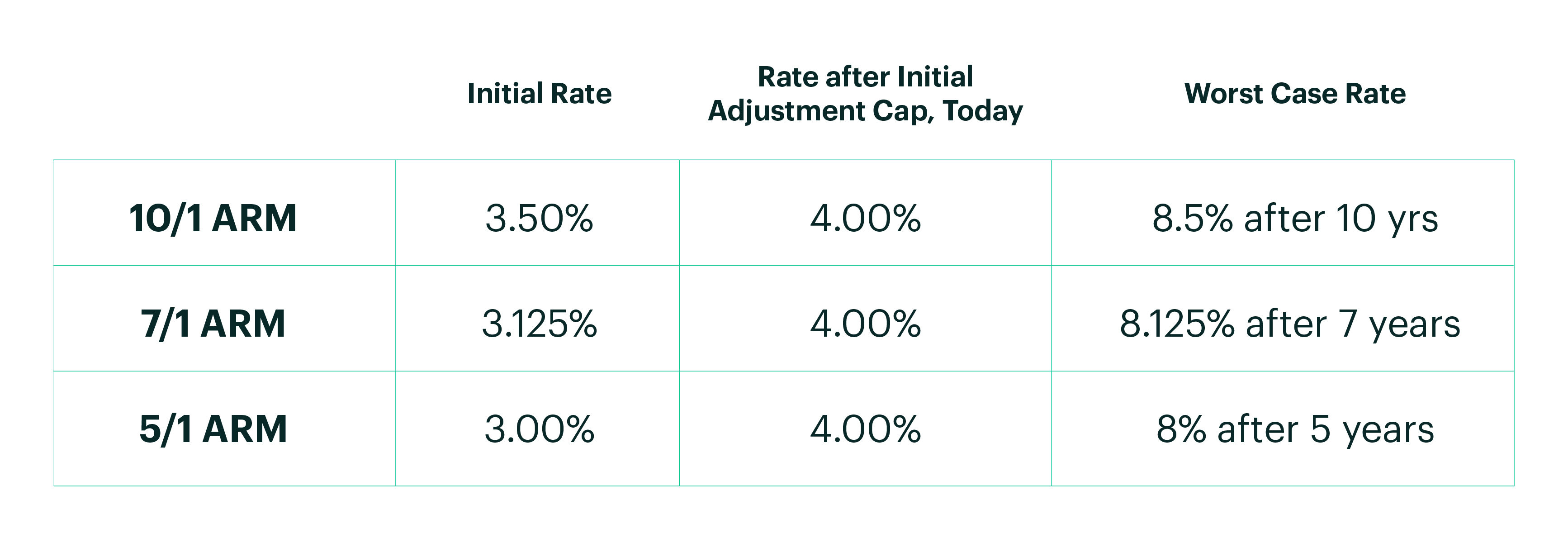
In addition, the interest rate you pay is usually greater than for a traditional home loan. Interest is included to the balance you owe monthly. That suggests the amount you owe grows as the interest on your loan accumulates in time. And the interest is not tax-deductible up until the loan is paid off.